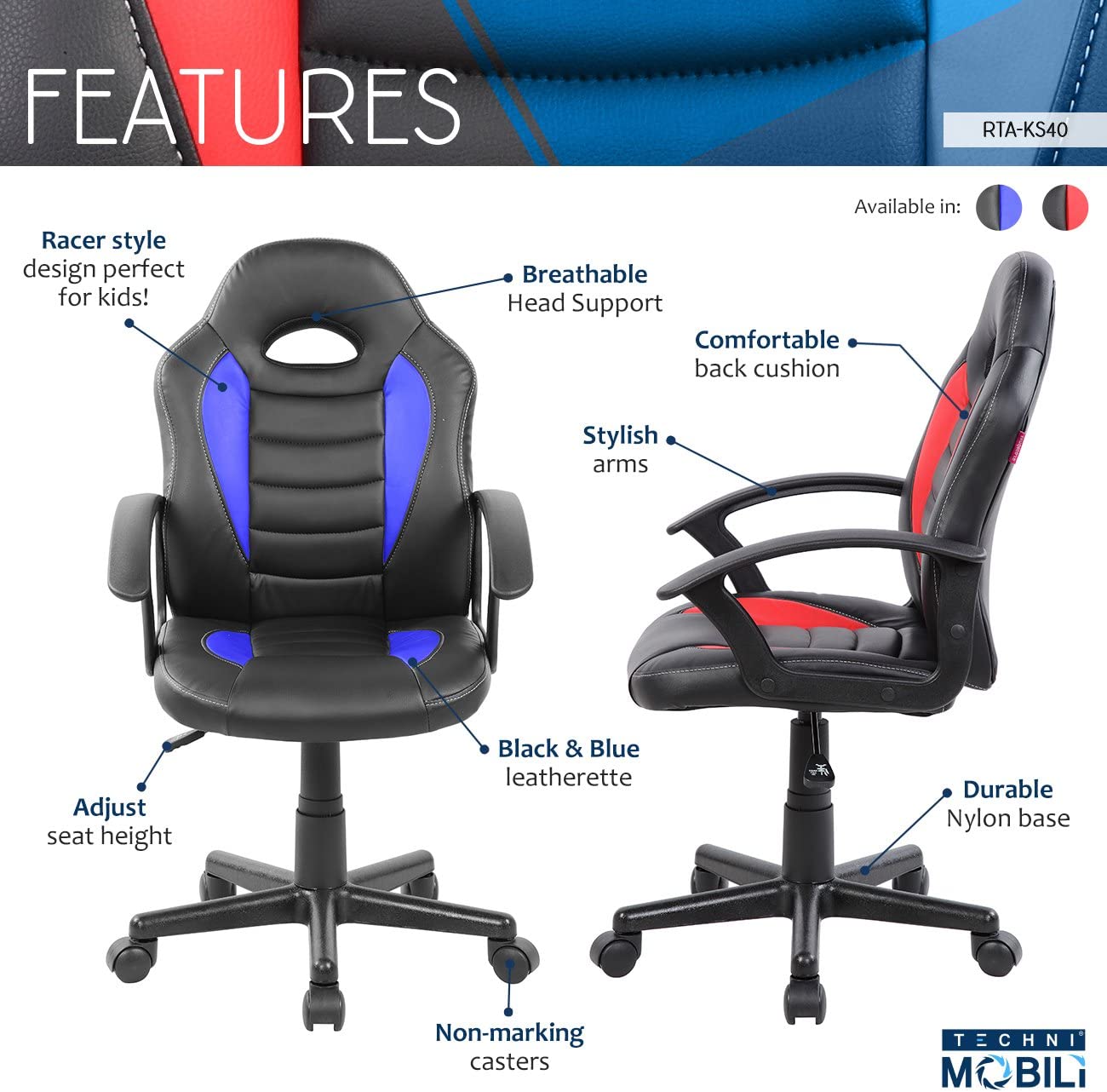

A leather office chair is often seen as a symbol of quality and professionalism.
But whether it’s truly a good investment depends on how it’s selected.
This guide shares 5 practical points based on real usage and sourcing experience—useful for both individual users and professional buyers.
1. Comfort Comes First, Not Appearance
A leather office chair should support long sitting hours without causing pressure on the lower back or shoulders.
Good ergonomic design matters more than how “premium” the chair looks.
For daily use, basic adjustability is essential:
- Seat height
- Reclining or tilt
- Armrest position
- Lumbar support
From a buyer’s perspective, chairs that feel comfortable to most users help reduce complaints and improve acceptance in shared office environments.
2. Durability Defines Real Value
Low-cost leather chairs often fail at the same points:
peeling surfaces, collapsed cushions, or unstable bases.
A well-made leather office chair uses:
- Stable internal frames
- Dense foam that keeps its shape
- Reliable mechanisms tested for repeated use
For procurement teams, durability directly affects replacement cycles and long-term cost control.
3. Choose Leather Based on Usage, Not Preference
Leather options vary widely, and there is no “one-size-fits-all” choice.
- Genuine leather works well for executive or low-frequency use
- PU leather is widely used for commercial projects due to cost control and easy maintenance
- Mixed or breathable materials suit warm or high-traffic environments
The right choice depends on usage intensity, climate, and budget, not marketing terms.
4. Standardization Matters for Bulk Orders
For individual users, customization is attractive.
For buyers, consistency is more important.
Standardized configurations help with:
- Easier inventory management
- Stable production quality
- Faster lead times
Optional upgrades can be reserved for different price tiers or markets, rather than applied to every model.
5. Think in Terms of Long-Term Cost, Not Unit Price
A leather office chair is a long-term product.
Cheaper options often cost more over time due to repairs, replacements, and user dissatisfaction.
Experienced buyers usually focus on:
- Product lifespan
- After-sales risk
- User comfort feedback
- Supplier reliability
A dependable manufacturer reduces uncertainty and supports long-term cooperation.
Conclusion
Choosing a leather office chair is not just about material or price.
It’s about finding the right balance between comfort, durability, and long-term value.
Whether for personal use or professional procurement, focusing on these five points helps ensure a more reliable and cost-effective decision.
👉 [Learn more about our office chair products]